Teaching someone how to save a life isn’t something you do on a whim. Just like you wouldn’t trust a doctor without a degree, you shouldn’t step into a CPR classroom without proper credentials. At our CPR Training Center, we help aspiring instructors gain the qualifications to teach life-saving CPR effectively through our CPR Instructor Trainer course in Plano.
Keep reading to find out what it takes to become a certified CPR trainer and make a meaningful impact in your community.
CPR Instructor Course in Plano: Key Takeaways
- CPR certification is mandatory before becoming a trainer.
- Hands-on experience increases your credibility.
- Completing a CPR instructor course is required to teach.
- Teaching and communication skills are just as necessary as technical skills.
Certification Comes First
Before you even think about leading a CPR class, you need to be certified yourself. This is because you can never confidently teach someone to save a life unless you have learned the techniques properly yourself. CPR and First Aid certification reflects that you know the correct steps and methods to respond during emergencies, whether it is a heart attack, choking, drowning, or severe trauma.
Certification is proof of knowledge, which shows that you are prepared to act on time and correctly when every second counts. Without it, teaching others could lead to mistakes that may have serious consequences in real-life situations.
Hands-On Experience
Theory is important, but practice is what saves lives. Gaining practical experience handling real emergencies not only builds confidence but also strengthens your ability to guide students effectively. When you have faced or observed actual situations, it becomes easier to anticipate challenges, explain techniques clearly, and help students perform CPR correctly under pressure.
Ways to gain experience include:
- Volunteering in hospitals, clinics, or community programs. This allows you to witness emergency procedures in real time and understand how different situations are managed.
- Working as a lifeguard, daycare assistant, or healthcare aide. These roles often place you in positions where immediate first aid may be required, giving you hands-on exposure to life-saving interventions.
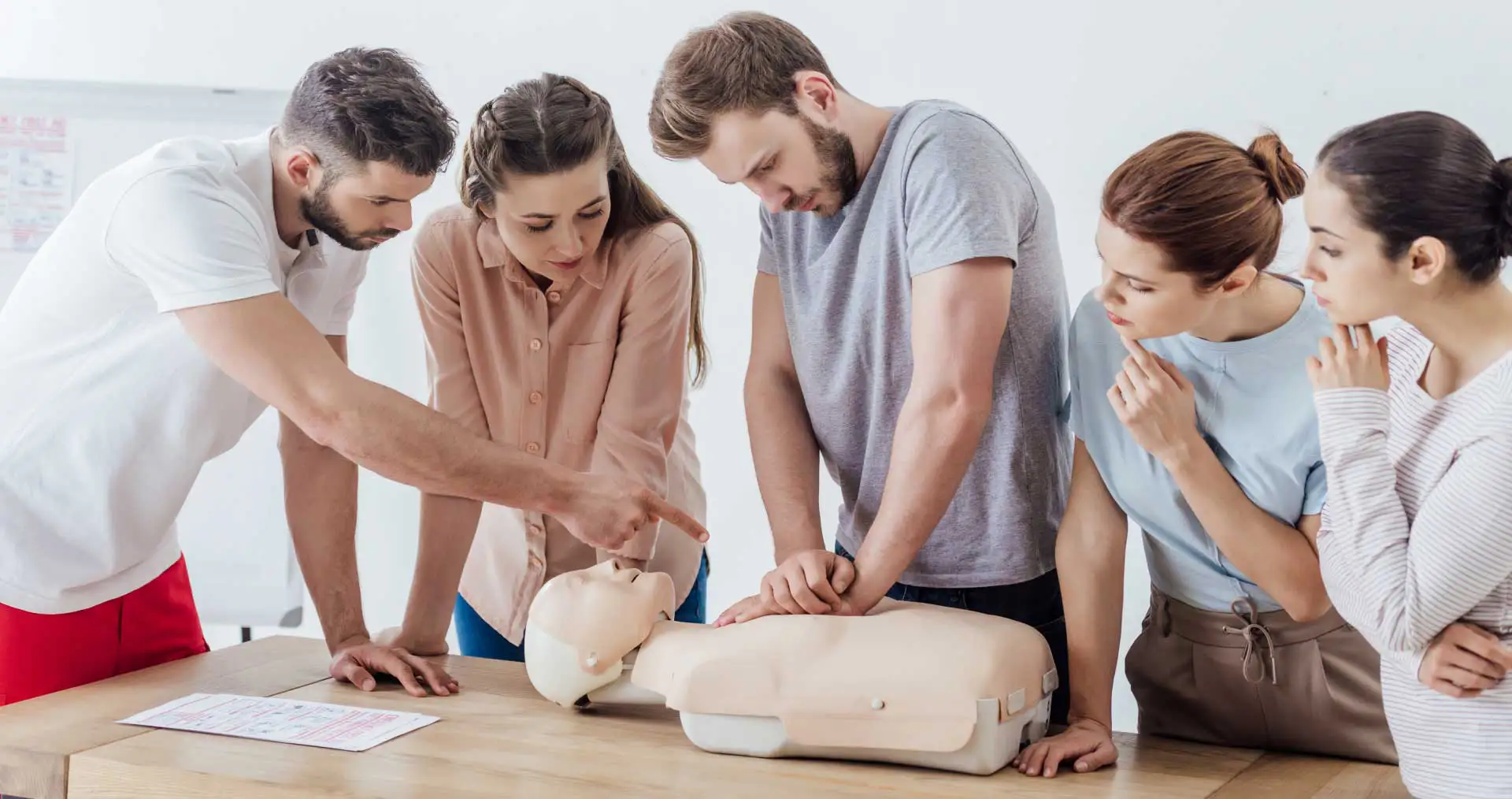
- Assisting experienced CPR instructors during classes. Observing and helping in training sessions provides insight into effective teaching methods, handling diverse learners, and giving constructive feedback.
CPR Instructor Course in Plano: The Essential Step
Once certified and experienced, the next step is completing a CPR instructor course. This is the course that officially qualifies you to train others.
What you will learn:
- Teaching CPR to all age groups. You will learn how to show adults, children, and infants the proper CPR techniques. The goal is to make sure every student understands what to do and can act confidently in an emergency.
- Running small or large classes. The course teaches ways to handle both small groups and bigger workshops. You will pick up tips on keeping students interested, making practice sessions hands-on, and creating a supportive atmosphere where everyone feels comfortable learning.
- Checking student skills and giving feedback. You will practice noticing how well each student performs CPR, pointing out what they can improve, and offering guidance in a clear, encouraging way. This helps students gain confidence and learn correctly.
- Legal and safety responsibilities. The course also covers the rules and safety measures instructors must follow. You will understand liability issues and safety protocols, which keep both you and your students safe during training.
People Also Ask
What does a CPR instructor do?
A CPR instructor teaches students how to perform CPR and use AEDs safely. We guide learners through hands-on practice and make sure they can act confidently during matters of life and death.
What happens if you do CPR without certification?
You can still help in an emergency, but teaching others or claiming expertise without certification is risky. Certification ensures you know the correct techniques and safety protocols.
How do CPR instructors get clients?
CPR instructors often work with schools, businesses, and community programs. We help our instructors connect with clients and find opportunities to run classes.
Is a CPR business profitable?
It can be, especially if you offer training to workplaces, schools, and community groups. With proper certification and marketing, a CPR training service can generate a steady income.
Communication and Teaching Skills Are Crucial
A CPR trainer is only as good as their ability to teach. Knowing CPR is one thing, but helping students understand, remember, and apply the techniques is another.
Here are some tips for effective teaching:
- Give clear instructions and demonstrate each step so students can see exactly what to do and follow along easily.
- Encourage hands-on practice for everyone, giving each student the chance to build confidence and muscle memory in a safe environment.
- Adjust teaching methods for different learners, so every student can grasp the concepts comfortably.
- Stay patient and approachable, because a calm, supportive attitude helps students focus and retain the skills.
- Use real-life examples or scenarios when possible to make the techniques relatable and easier to remember.
- Provide constructive feedback in a positive and motivational way to help students improve without feeling discouraged.
A confident and empathetic trainer not only teaches techniques but also inspires students to stay calm and take action when it matters most.
Get Certified With the Best
At CPR Training Center, we make it easier to become a certified CPR trainer. Our CPR instructor trainer course in Plano combines online learning and on-site practical sessions, making sure you gain both knowledge and hands-on skills. Recognized by the American Heart Association, our program prepares you to confidently train others and equip them to act responsibly in emergencies.
FAQs
Is it worth it to be a CPR instructor?
Absolutely. Being a CPR instructor gives you the chance to teach life-saving skills and make a real difference in your community. What’s more? It can open doors for work and networking opportunities.
Can anyone be certified in CPR?
Yes, anyone can get certified as long as they complete a recognized CPR course and demonstrate the skills correctly.
Can anyone teach hands-only CPR?
Only certified instructors can officially teach hands-only CPR. At our center, we make sure trainers are fully qualified before leading any classes.
What are the 3 C’s of CPR?
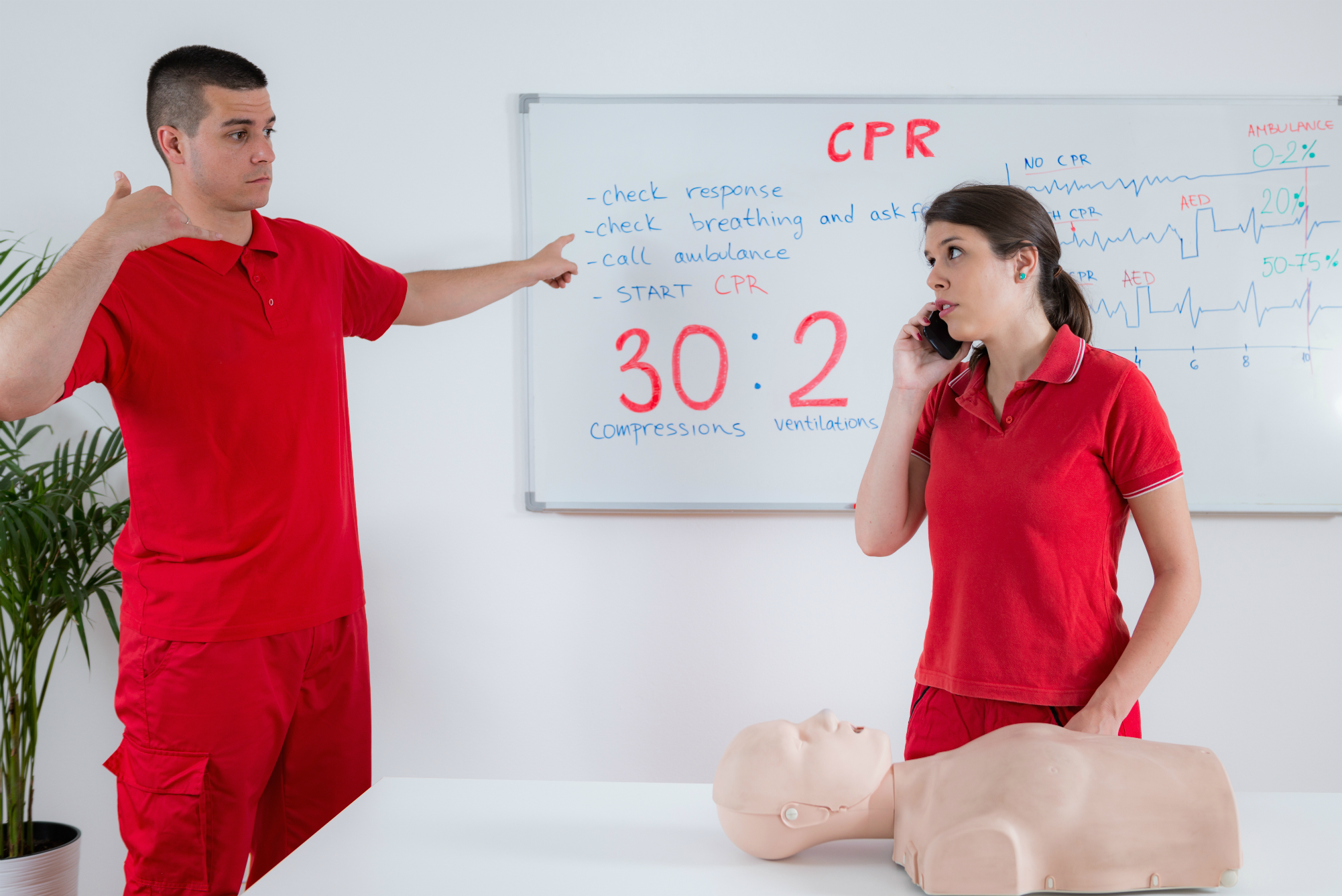
Check, Call, Compress. First, check the situation, call emergency services, and then start chest compressions if needed.