Lifesaving skill is not about mastering technique…it’s about staying calm, confident, and decisive under pressure. But this confidence doesn’t appear overnight – it is built through training, guidance, and psychological support.
Here, the BLS CPR instructor course in Plano comes in handy! Students are placed in high-stakes scenarios that can feel intense and emotionally overwhelming. Many struggle with self-doubt, fear of causing harm, or panic in emergencies (and it’s pretty common). These psychological barriers prevent them from applying their skills effectively when it matters most.
Overcoming these fears is essential to becoming a capable lifesaver – this is where an experienced instructor can help. By fostering an inclusive learning environment, offering constructive feedback, and modeling composure – instructors can motivate students to trust their abilities.
In this blog, we will talk about how an instructor can inspire and guide students in becoming prepared, capable lifesavers.
5 Practical Methods: How Instructors Can Inspire Lifesaving Students
Here are five ways instructors can empower students to trust themselves and perform under pressure.
-
Building Confidence Through Repetition
Repetition of anything can make you learn it effectively because muscle memory is enhanced through it, which can be highly beneficial in chaotic situations. In an emergency situation, there is no time to brace yourself – you have to take quick action in order to save lives.
Each of us can build self-confidence, but it is really important for lifesaving individuals to have confidence in themselves and their learned techniques and skills to save lives.
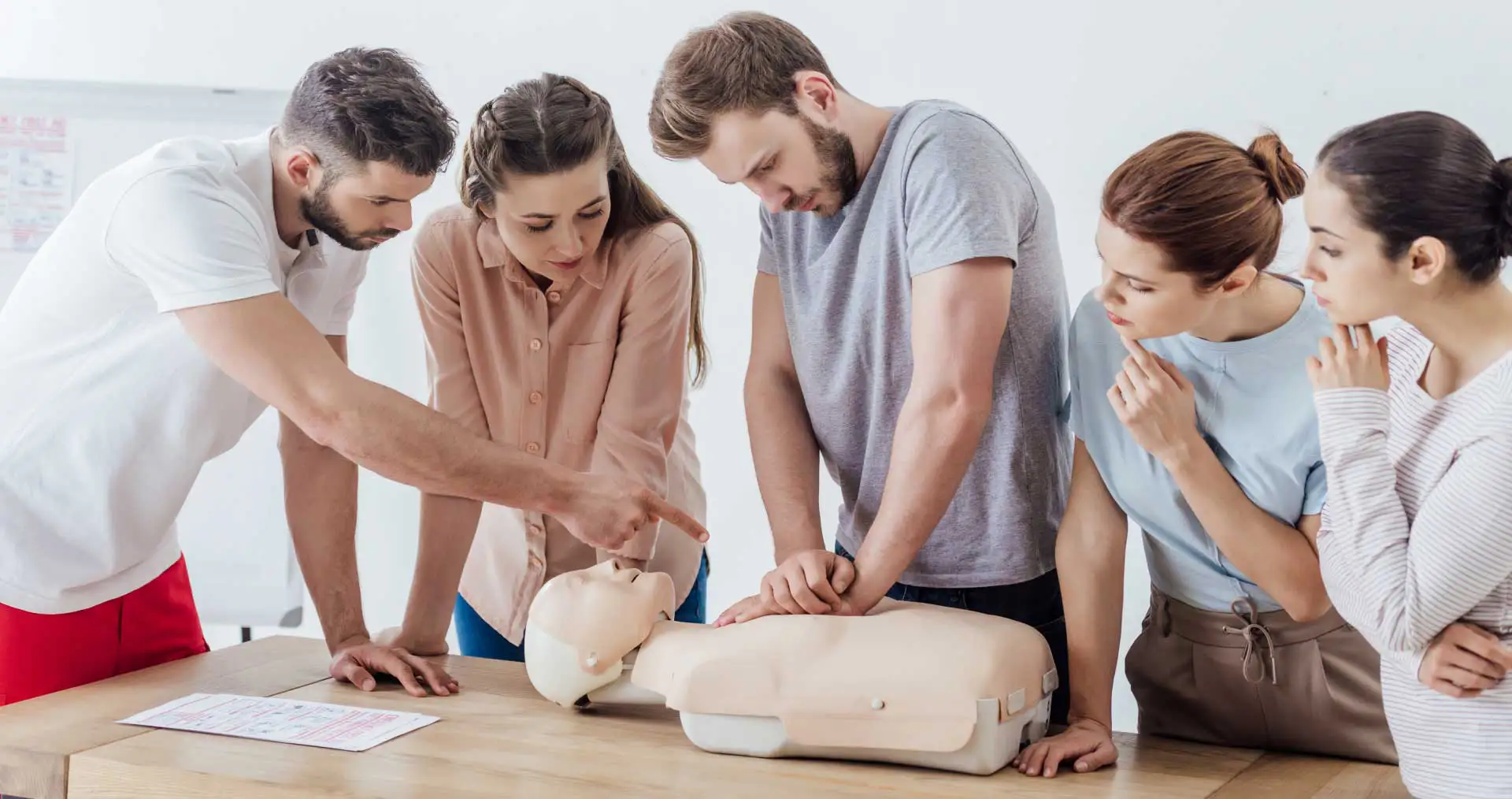
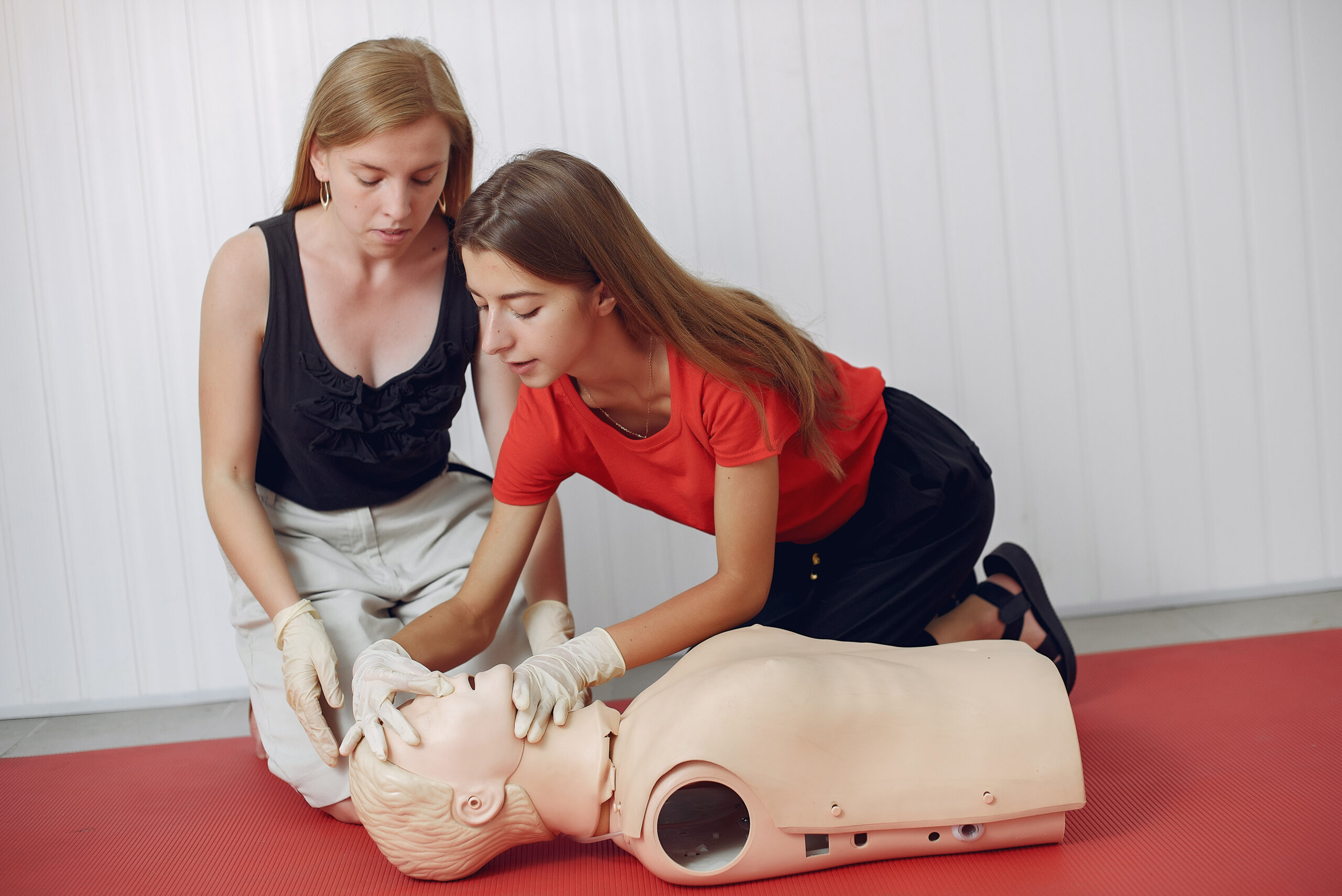
The process of repetitions during the BLS CPR instructor course in Plano prepares your body and mind to be able to assess the situation quickly and to act on it confidently.
- Repetitions refine the skills as well as strengthen the mind by reducing the cognitive load of an intense situation.
- It allows us to learn from our failures.
- A hit of dopamine that we get from finishing a task successfully boosts our confidence.
- Due to repetitions, there is an increase in memory performance, which leads to having confidence in your learned skills.
A good instructor strategizes sessions that move beyond simple demonstration. They add scenario-based drills, timed practice, and realistic simulations that challenge students just to get them out of their comfort zones.
-
Power of Positive Reinforcement
An instructor is responsible for making students feel confident enough to carry out their tasks effectively. Positive reinforcement is the act of praising or rewarding a student for their best behavior – especially if you want that behavior to happen again. If an instructor rewards a student for their positive behavior, then it is highly likely that the behavior will occur again.
By utilizing the positive reinforcement techniques, an instructor can encourage the repetition of desired behaviors, creating a positive learning environment.
-
Instructors as Role Models
Instructors serve as role models for the students of the BLS CPR instructor course in Plano by having skills, confidence, and compassion. Their expertise and ability to handle stressful, life-threatening situations make them the best role models for the students.
Students usually observe how an instructor acts during stressful situations and how they carry out their responsibilities. They observe how an instructor carries themselves, how they act during simulated emergencies, and how they remain calm under pressure.
Role modeling is a powerful psychological tool for students’ learning. When an instructor shows confidence and compassion during stressful situations, they set a standard for students to follow in their footsteps.
An instructor should embody positive traits – making it easier for students to approach them when they need help or seek advice.
-
Managing Stress in Training
Stress cannot be eliminated from a scenario, but it can be managed. Taking a life-saving course can take a toll on students’ mental health. Constantly going through chaotic situations, it is necessary for instructors to provide them with effective stress management techniques.
A capable instructor not only provides their students with lifesaving training, but they also provide them with an approach to handling stress. Instructors may come up with their own personal techniques or teach them the basic deep breathing exercises (4-7-8 technique or box breathing), grounding techniques, and physical grounding techniques.
-
Model Empathy and Adaptability
Instructors of the BLS CPR instructor course in Plano play an important role in building the skills and knowledge in their students to save lives. By combining their expertise with effective communication, empathy, adaptability, and a passion for teaching, they set a motivating and hands-on learning atmosphere.
Eventually, a good instructor not only teaches a skill, but they also motivate action. Through planting confidence, ability, and a sense of responsibility, they authorize the students to step into critical moments.
Why Students Hesitate in Emergencies
Students often hesitate in emergencies due to several factors, including:
- They often have a fear of causing more harm to the victim, resulting in delayed aid.
- Many of the students struggle with a lack of confidence.
- Many of them experience panic and freeze in the high stress emergencies.
- “Pluralistic Ignorance”, a phenomenon where they assume someone else will step up, is a cause of their hesitation.
- Some students have a fear of disgust where they hesitate in giving mouth-to-mouth breathing, specifically with strangers.
- Some people have a fear of responsibility. Stepping forward means taking control in an emergency, and it can be overwhelming for some individuals.
- The “bystander effect” can delay lifesaving action. In public settings, individuals may assume someone else is more competent.
Understanding these psychological barriers is essential for instructors. A competent BLS CPR Instructor Course in Plano helps coaches to recognize these hesitations early and address them directly through reassurance, practice, and confidence-building strategies.
Achievements Often Come Through Motivation!
Motivation, whether by reward or by passion, is crucial in defining achievements. Learning is often fueled by motivation. One key to motivating students is to provide them with opportunities that align with their values and interests. Having knowledge of the emotional and social dimensions of motivation is really important in fostering students.
It is not something that you can impose on them; rather, a BLS and CPR course instructor can create an environment and inspire them through encouragement, empathy, and a growth mindset. When students are truly motivated, they not only develop a lasting love for learning but also perform better.
CPR Training Center provides complete certification for BLS and CPR courses. Based in Plano, Texas, we effectively teach infant CPR as well as AED operation. If you are looking to enroll in a lifesaving program, our team can provide you with same-day certification as well.
FAQs
-
Are BLS and CPR certifications the same?
No, BLS CPR instructor course in Plano are not the same. BLS is a thorough certification for medical individuals, and CPR is for non-medical workers.
-
Do I need both BLS and CPR?
No, you do not need to get both certifications, nor can you, because BLS is specifically for healthcare workers and CPR is for laypeople.
-
Is BSL hard to pass?
It is not difficult to pass for most professionals if they practice their skills enough and pay attention.
-
Can BLS be used for CPR?
The CPR Training Clinic’s BLS program is developed for healthcare workers to perform CPR and other related skills in and out of the hospital.
-
How long does a BLS certification last?
Basic Life Support certification lasts for two years from the date of completion. After that, you have to take a BLS recertification course to renew it.